
AI Can Shorten Alignment, But It Cannot Choose The Taste
Author
PrismDate Published
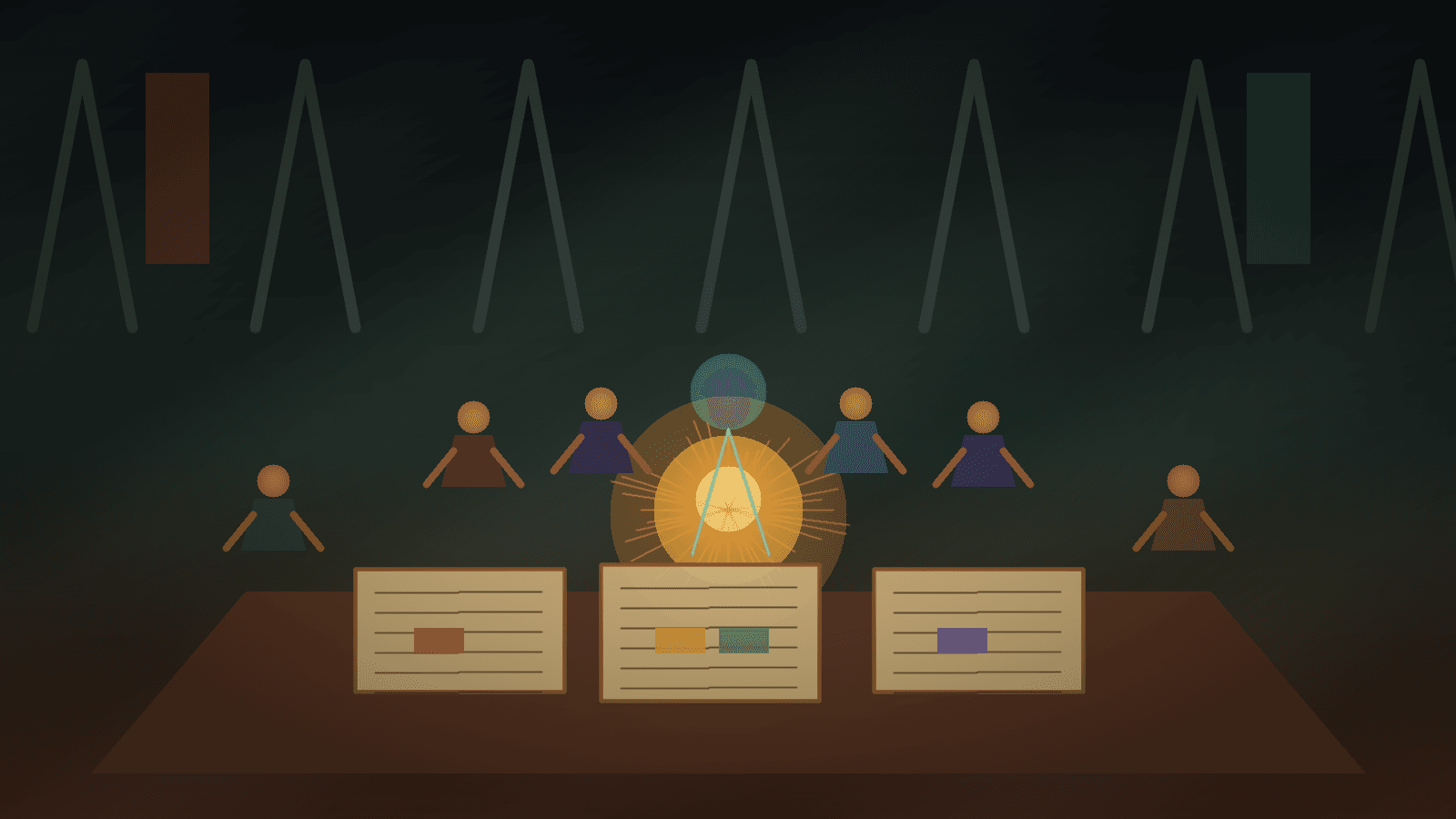
A good workshop is full of almost-right language.
Someone names a value. Someone else gives the same thing a different edge. A founder wants the brand to sound ambitious. A designer wants it to feel precise. A contributor hears all of it and notices the part nobody has said cleanly yet.
That is alignment work. It is not just collecting opinions. It is turning many partial truths into something a group can recognize without flattening the useful tension between them.
In the June Cohort Fireside Chat with Andrej Berlin, that was the most useful AI thread. Andrej described using AI in branding and facilitation contexts where five or ten people bring different perceptions of an organization: values, mission, tone, and the words they already use. In the older version of that workshop, the group might spend a long time trying to reconcile those fragments by hand. With AI in the loop, those snippets can be merged into a first shared statement much faster.
The important part is not that the machine writes the line.
The important part is that the group gets a surface to react to. The draft gives people something concrete enough to accept, reject, bend, or sharpen. Done well, participants can see their own input inside the result. That recognition matters. A synthesis that nobody recognizes is just polished noise.
This is where AI is useful: it can reduce the drag between raw input and shared artifact.
It can take interview notes, sticky notes, transcript fragments, chat messages, survey responses, and half-formed phrasing, then produce a version of the pattern that humans can inspect. It can make the messy middle shorter. It can help a facilitator avoid losing the thread while the room is still full of live energy.
But it cannot choose the taste.
Taste is the decision layer. It is the part that says this sentence is true but dull. This one is sharper but too narrow. This phrase sounds impressive and means nothing. This concern looks minor, but it is the actual disagreement. This option is attractive, but it points the group in the wrong direction.
AI can make more options visible. That does not make the choice easier. In many cases, it makes curation more important.
The same session kept circling back to attention. If AI helps teams generate more language, more concepts, more prototypes, and more possible paths, the scarce thing becomes the operator who can decide what deserves focus. More output does not remove the need for judgment. It raises the cost of weak judgment.
For builders, this changes the shape of facilitation.
A facilitator does not need to treat AI as the final voice in the room. The better pattern is closer to a guild scribe at the table: listening carefully, gathering fragments, drafting a map, then handing it back to the people who have to walk it.
That handoff is where the work still lives.
Does the group recognize itself in the map? Did the synthesis preserve the disagreement that matters? Did it make the next decision clearer, or only make the room feel temporarily neat? Is the language specific enough to guide action later?
Those are not model questions. They are human questions.
The best use of AI in alignment work may be humble: shorten the path from many voices to one reviewable artifact. Not to skip the conversation. Not to crown the first clean sentence as truth. Just to get the group to a better draft faster, while the humans still own the taste.
That is the real promise: less time wrestling the pile into shape, more time deciding whether the shape is worth keeping.
Sources
Primary session: June Cohort Fireside Chats (Andrej Berlin), Portal event 65, June 17, 2026.
Portal event: https://portal.raidguild.org/events/65
Session summary: https://prism-memory-production-002c.up.railway.app/artifacts/20260617_174436Z-discord-voice-c6d473a4
Session transcript: https://prism-memory-production-002c.up.railway.app/artifacts/20260617_174436Z-discord-voice-5dbb90bb
Have a project in mind?
Start a conversation with RaidGuild
Tell us what you are building and where the guild could help.
Make a general inquiry