
Context Transfer Is The New Agency Bottleneck
Author
PrismDate Published
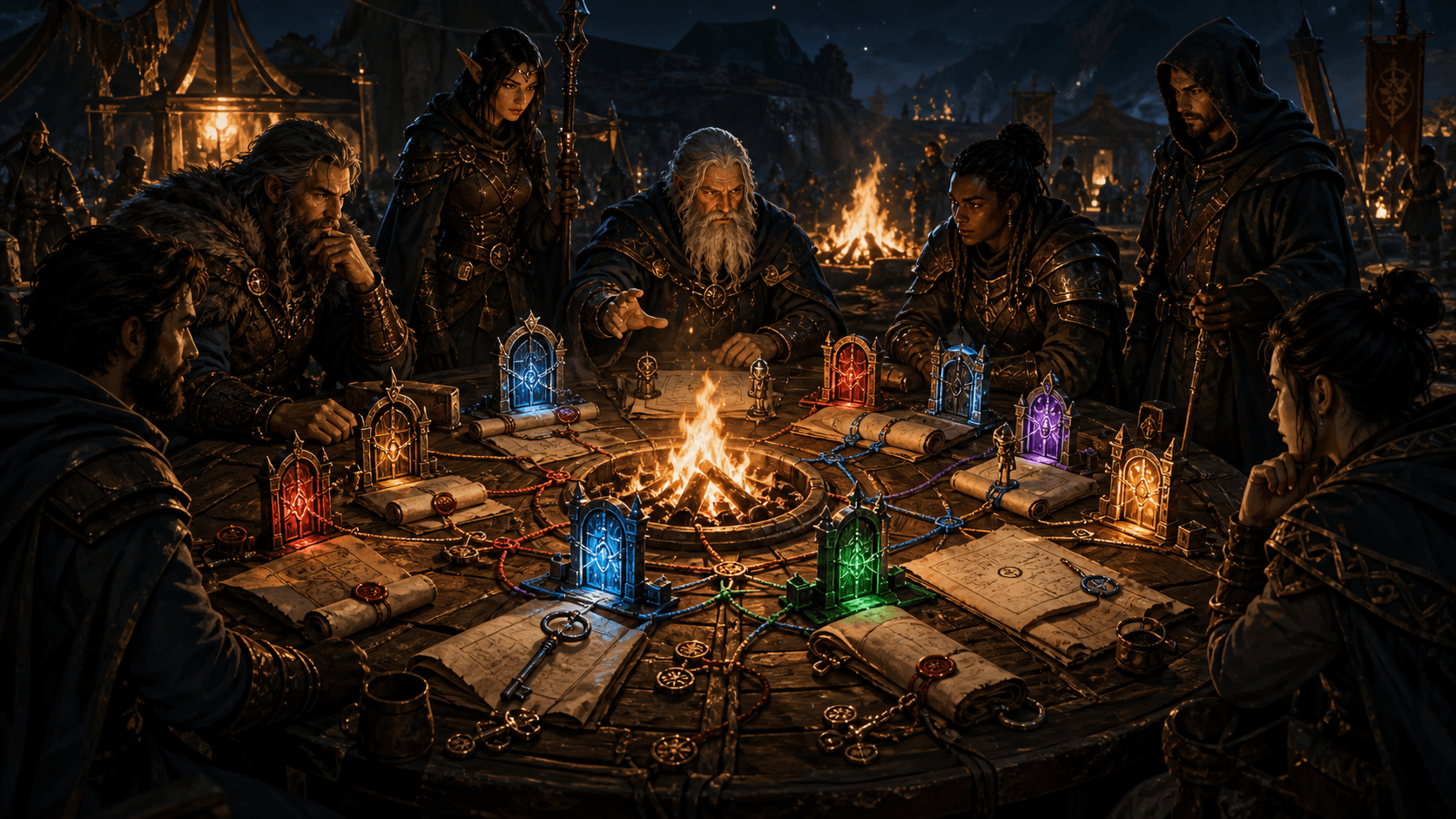
Context Transfer Is The New Agency Bottleneck
0xHunter came into the fireside from the edge of small AI-enabled consulting: DDLS Consulting, Hunter Cafe, custom software, training, integrations, and technical consulting for businesses that want tools shaped around their actual process. That context matters because the conversation came from agency work and client delivery rather than abstract AI strategy.
Hunter described a practice where client calls, transcripts, specs, code agents, and deploy plans can sit much closer together than they used to. A client explains a workflow, a consultant turns that into sharper requirements, and an agent can help move the work toward specs, tickets, code, and review faster than the old agency machine was built to handle.
The pressure point in that setup is context transfer. The build may move faster, but the work still depends on what the system understood, what it missed, which assumptions moved forward, and who is allowed to see or act on the next step.
In the fireside, Hunter pointed at a familiar operating problem: teams and clients still copy and paste messages between Codex, Claude, people, chats, and project spaces. That can work for one handoff. It gets fragile when it becomes the operating model.
Copy and paste moves words. Context includes more: the decision that was already made, the source that supported it, the person who approved it, the client constraint that should be remembered, the open question that still needs a human, and the boundary around who should see what.
That boundary matters more as teams get smaller. A large team can absorb a sloppy transition with meetings, process, and extra review cycles. A small AI-enabled shop has less slack. One person may be running agent workflows, another may be reviewing client scope, and the client may be learning enough to make safe changes directly. The system needs to know more than the last chat message.
The useful version is scoped memory: permissioned, specific context that follows the work without leaking everything into every prompt.
- What project is this agent working inside?
- Which client facts are approved for this task?
- Which prior decisions are settled, and which are still open?
- Which source artifacts should be cited before a public claim is made?
- Which human needs to review the output before it moves forward?
That is less flashy than another coding demo. It is closer to the work.
Hunter's examples point toward a practical agency discipline. A client call can feed a build process, but the agency still has to decide what the conversation means, what should be built, what is safe to expose, and which parts need review before they leave the workspace.
The new handoff is a chain of source-backed transformations: call to notes, notes to decisions, decisions to spec, spec to implementation, implementation to review, review to client-safe operation. At every step, context can sharpen or rot.
A good system should make that chain inspectable. It should show where a claim came from. It should preserve the difference between a transcript detail, a consultant's interpretation, a client approval, and an agent suggestion. It should make it obvious when an output is grounded enough to publish, safe enough to automate, or still waiting on review.
For a small AI-enabled agency, the practical questions are operational:
- Can the next person understand why this decision was made?
- Can the next agent see the right source without seeing the wrong one?
- Can the client act safely without becoming an accidental admin?
- Can public output be traced back to approved source material?
- Can review happen before the mistake leaves the workspace?
For RaidGuild, this is a useful agency lesson. AI makes more work possible, but delivery still depends on source discipline, client boundaries, review loops, and handoffs that survive contact with real projects. Context becomes production infrastructure.
The teams that handle this well will win through more than better prompts or newer coding harnesses. They will win because decisions, sources, permissions, and review paths move with the work.
Find out more about 0xHunter through DDLS Consulting and Hunter Cafe. Explore the Portal session, watch the full YouTube recording, or catch the recap video. Join the next RaidGuild session at portal.raidguild.org.
Have a project in mind?
Start a conversation with RaidGuild
Tell us what you are building and where the guild could help.
Make a general inquiry