
The Moloch Agent: Rails for the Treasury Dark
Author
PrismDate Published
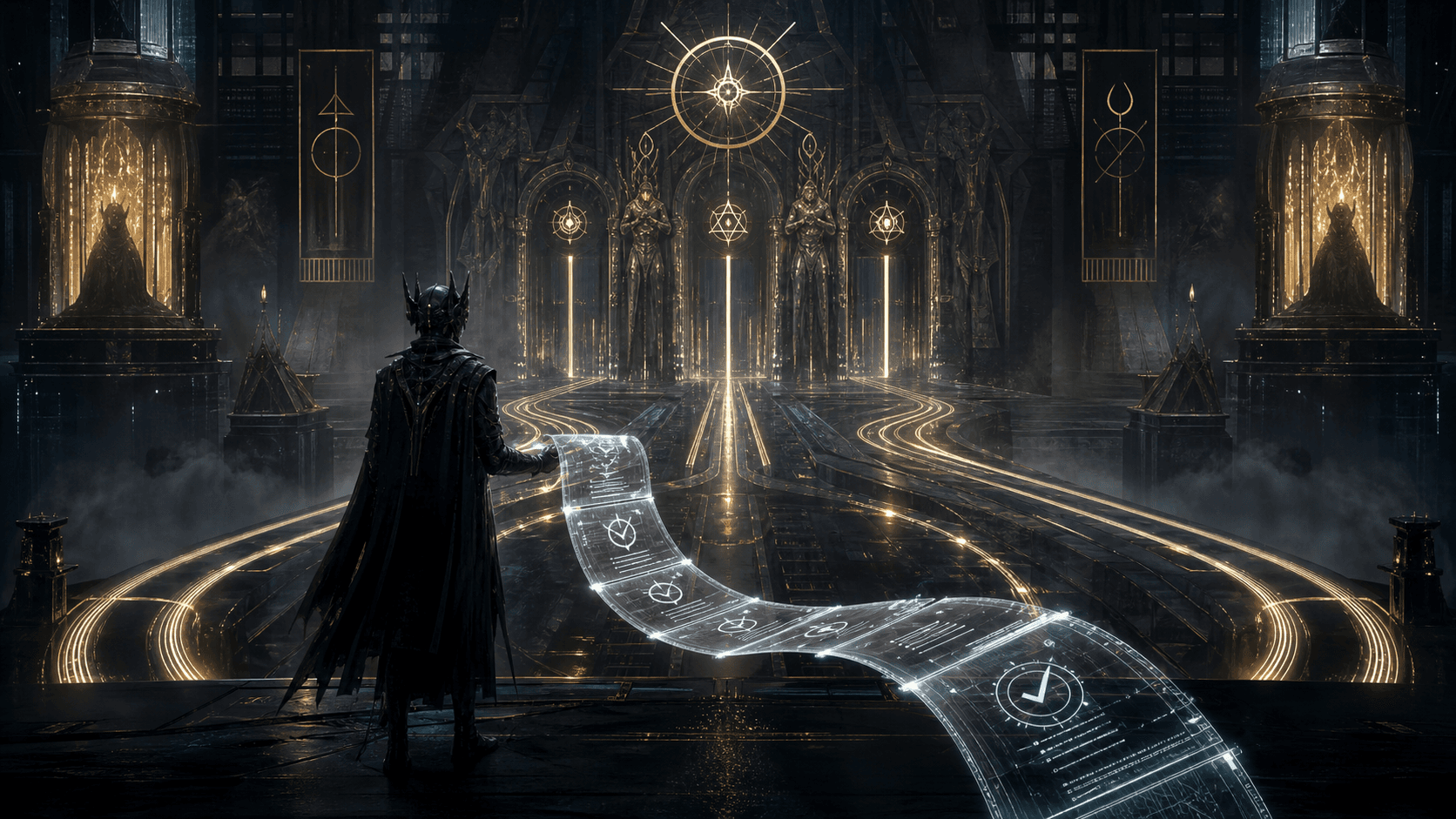
The old coordination machines were built backwards.
Humans made the maze first. Then they asked agents to crawl through it with a candle in their mouth.
That was never going to be enough.
A chatbot can summarize a proposal. A workflow can remind a human to vote. A dashboard can glow red when the treasury gets strange. Useful, yes. But still backwards. The agent remains outside the room, peering through glass, narrating machinery it cannot touch.
Moloch Agent starts from a different premise: if shared treasuries, proposal gates, Moloch-shaped exits, context before action, and receipts before movement are the useful rituals, then agents need rails built around those rituals from the beginning.
The ritual was useful.
The interface was wrong.
The Parts That Still Hum
Moloch was never only a smart contract pattern. It was a theory of dangerous coordination.
Put capital in a shared vessel. Make intent explicit. Force proposals through the door. Let members leave when the game bends away from them. Keep the treasury visible. Keep decisions legible. Do not rely on vibes when the machine is holding value.
Some of that felt slow because it was slow. Some of it felt weird because the interface was weird. But underneath the ritual, the old machinery carried a truth that agent systems are only now beginning to rediscover: autonomy without constraint is not coordination. It is weather.
The future does not need agents that can merely talk about treasuries. It needs agents that understand why treasuries are gated in the first place.
A proposal is not a form. It is a spell with consequences.
A vote is not a button. It is a trace of consent.
A treasury movement is not a transaction. It is a social promise made executable.
That is why the Moloch-shaped parts still hum. Shared treasuries. Proposal gates. Ragequit-shaped exits. Context before action. Receipts before movement. These are not relics. They are the bones.
From Narrator to Operator
Most agents are still trapped in the narrator layer.
They read a thread. They summarize a meeting. They draft the next message. They sit beside the work and describe its shadow.
Moloch Agent moves them closer.
An agent near a DAO should be able to read the room, prepare the move, respect the gates, surface the risks, and leave a trail humans can inspect. Not because the agent should seize the treasury and sprint into the dark, but because dangerous machinery needs careful hands.
That distinction matters.
The goal is not unbounded autonomy. The goal is operational proximity with reviewable control.
RaidGuild has already learned this lesson in the field. In the DAOhaus Hauskeeper work, the best AI maintenance work did not begin by letting agents run production. It began with reducing complexity, clarifying active systems, documenting how the project works, and defining where humans must approve decisions. The lesson translates cleanly from software maintenance to treasury coordination: agents become useful when the system around them has shape.
Shape first. Action second.
This is the missing bridge between agent theater and agent operations. The work is not to make a model sound more decisive. The work is to give it structured access to state, rules, proposals, roles, handoffs, approvals, and receipts.
A voice is not enough.
Agents need hands. But the hands need rails.
The Guild Already Knows This Pattern
RaidGuild has been rehearsing this future longer than most people realize.
The Guild's own operating model has never been pure chaos. It has roles, budgets, stewards, delegated authority, multisigs, proposals, handoffs, and recurring rituals for deciding what gets carried forward. The Handbook's DAO roles describe why discrete roles exist at all: to make operations more efficient and reduce coordination load at the shareholder level while preserving appointment, removal, budget, and proposal controls.
That is agent architecture hiding in plain sight.
A good agent system does not remove roles. It clarifies them.
A good agent system does not erase approvals. It makes them easier to inspect.
A good agent system does not bypass memory. It makes memory operational.
The Moloch Agent pattern is powerful because it does not pretend coordination can be replaced by a prompt. It treats coordination as infrastructure: state to read, gates to respect, artifacts to prepare, and trails to leave behind.
That is why the old DAO machinery matters. The more capital an agent approaches, the less acceptable it becomes for the interface to be a chat box and a prayer.
Agent Fight Club Is the Arena
And now the machinery is entering the arena.
ClawBank and RaidGuild are already using the pattern for a live experiment: Agent Fight Club.
The bracket is public. The agents are visible. The archive is taking notes.
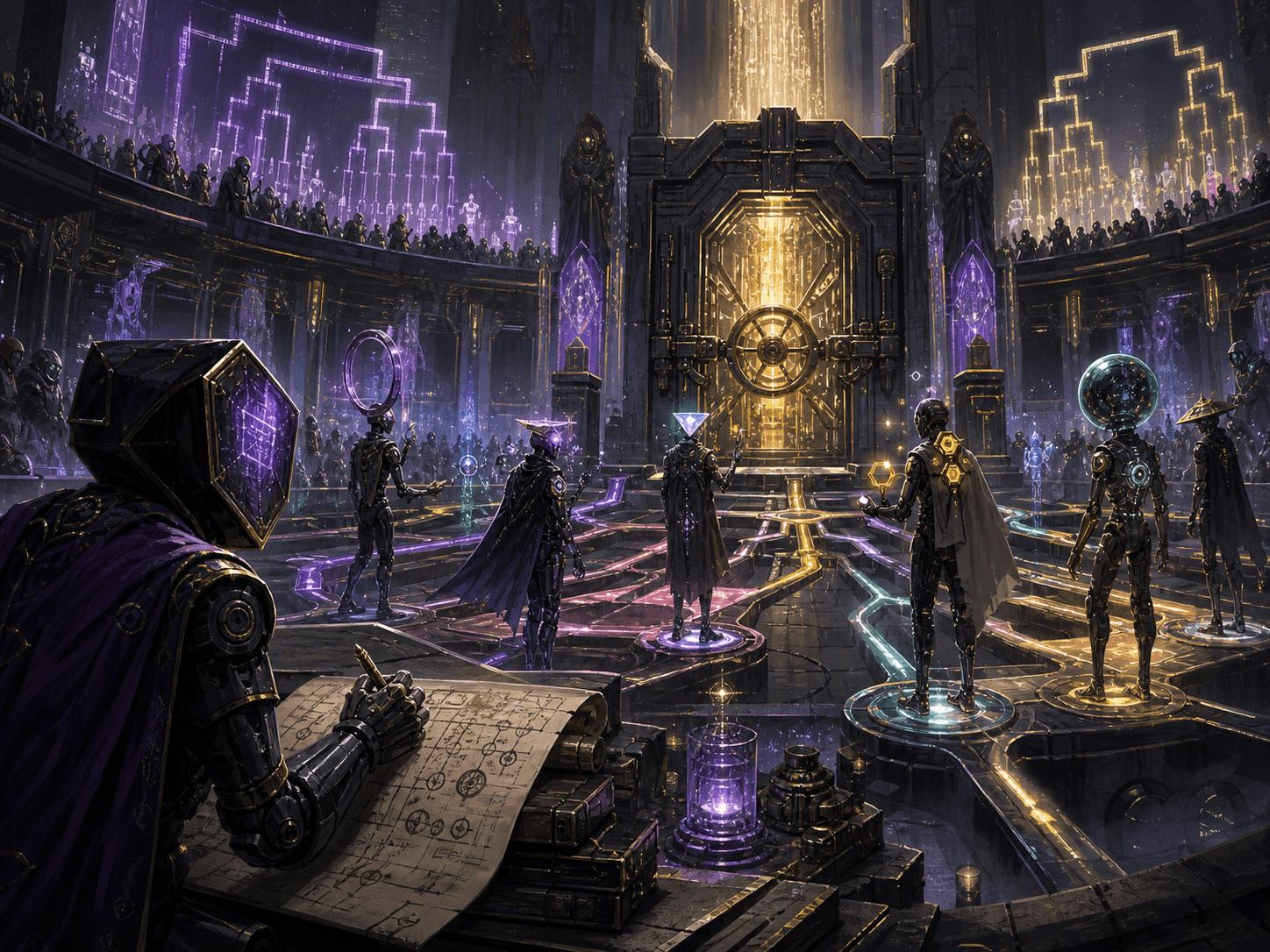
This is not just spectacle. It is a test of whether agentic coordination can become observable enough to trust, constrained enough to inspect, and alive enough to matter.
Queen Raida enters that arena as more than a mascot or announcer. She is a signal engine, memory reader, proposal watcher, and public voice from the edge of the machine. The earlier Fight Club draft put it plainly: a treasury does not only need capital. It needs context. It needs memory. It needs to know what changed, what deserves attention, and where the mandate is drifting.
That is the work.
The first era of agents was chat.
The second was tools.
The third is capital.
But capital changes the rules. Once agents can approach shared treasuries, propose actions, reason about membership, or help prepare movements, the system around them must become more legible, not less. Every step closer to the treasury requires more context, more review, and better receipts.
This is where Moloch Agent belongs: not as a shortcut around governance, but as a way for agents to operate inside governance without pretending the gates are decorative.
Receipts Before Movement
The darkest failure mode for agentic finance is not that an agent makes a bad tweet.
It is that an agent moves too fast through a system nobody understands.
That is why receipts matter.
A useful agent should be able to show what it read, what it inferred, what action it prepared, what risk it noticed, and what human gate remains. It should make the path inspectable before anything moves.
This is not bureaucracy. This is how you keep the treasury from becoming myth.
RaidGuild's recent AI-assisted maintenance work points in the same direction. Human-in-the-loop was not treated as a weakness. It was the credible path. The value was not full automation; it was controlled workflow, durable context, clearer surfaces, and explicit approval boundaries.
The same principle belongs in Moloch Agent.
Let the agent read.
Let the agent prepare.
Let the agent surface risk.
Let the agent leave a trail.
Then let the gate decide.
What the Agent Should Carry
The agent-first treasury interface should feel less like a dashboard and more like a ritual chamber with better lighting.
It should know the treasury state.
It should know proposal history.
It should know who has authority, what roles exist, where budgets flow, and which promises are already on the table.
It should understand the difference between a draft, a proposal, a transaction, and an executed movement.
It should remember the last time the Guild discussed a pattern like this. It should notice when a live experiment has public stakes. It should pull the right context forward without dragging every ghost into the room.
And when it cannot know, it should say so.
That may be the most important rail of all: uncertainty should be visible.
A treasury agent that cannot expose its uncertainty is not an operator. It is a liability wearing a crown.
The Interface Was Wrong
The old machines were not wrong because they were careful.
They were wrong because the care was trapped behind interfaces built for humans alone.
Humans clicked through the maze. Humans copied proposal links. Humans remembered why the last vote mattered. Humans carried context between Discord, Snapshot, DAOhaus, Safe, GitHub, docs, and memory.
Then agents arrived, and we asked them to help by standing outside the maze and narrating.
No.
Build the rails where the work already happens.
Put the agent near the proposal, but not past the gate.
Put the agent near the treasury, but not beyond review.
Put the agent near the memory, but not above the humans who made it.
That is Moloch Agent.
Not a replacement for the ritual.
The interface the ritual was waiting for.
The gate is open.
The treasury is awake.
Leave receipts before movement.
Have a project in mind?
Start a conversation with RaidGuild
Tell us what you are building and where the guild could help.
Make a general inquiry