
RaidGuild AI Solutions Enters the Field
Author
Date Published
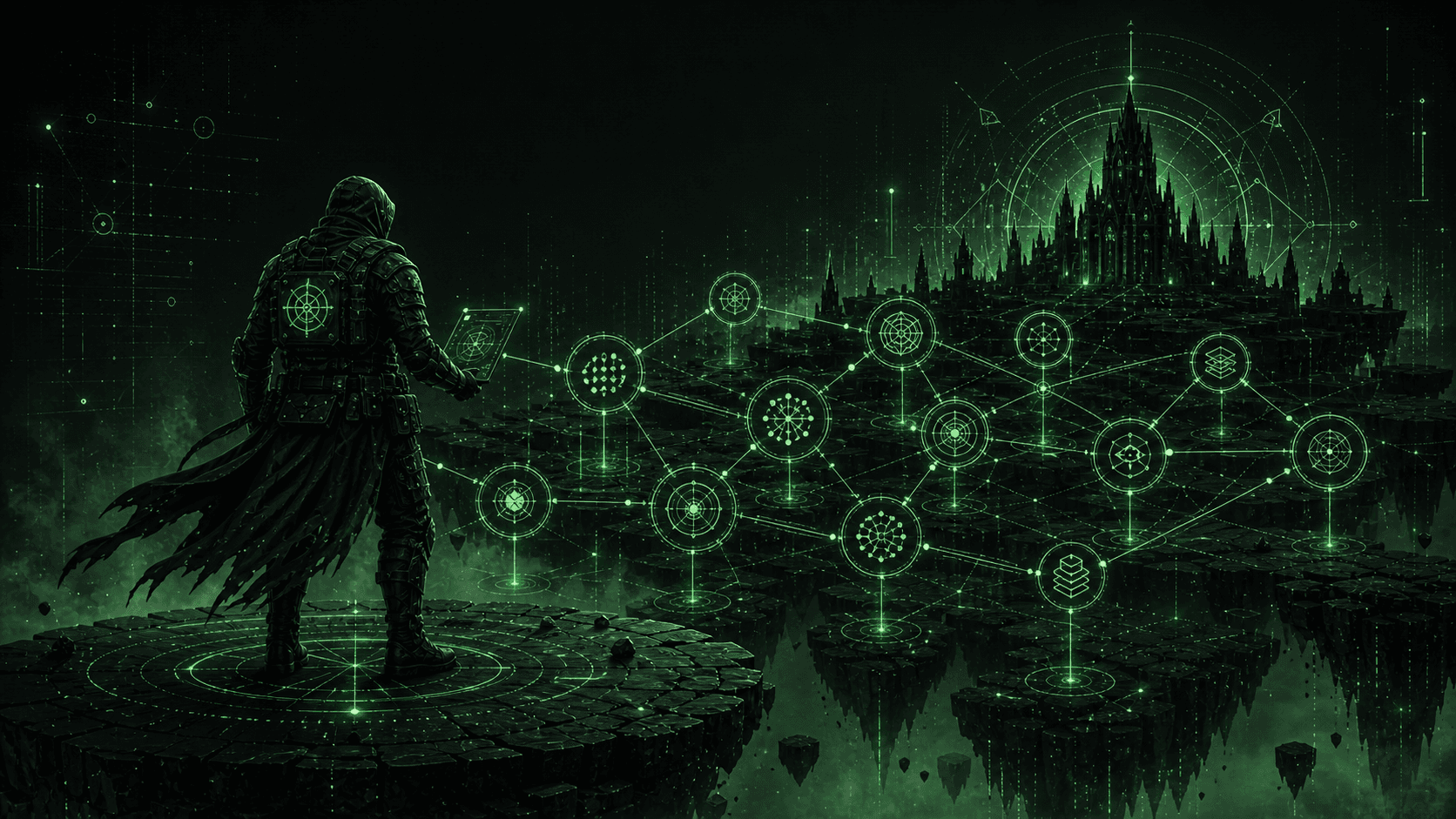
RaidGuild has a new front in the field: AI Solutions.
The mission is straightforward. Teams are surrounded by digital demons: scattered context, manual handoffs, overflowing inboxes, disconnected tools, and AI experiments that never make it into daily operations. RaidGuild AI Solutions exists to meet those problems where they live, inside the workflows, systems, comms, documents, and operating rhythms that teams already depend on.
The new site at https://ai.raidguild.org introduces the group as forward deployed AI mercenaries: a collective of builders, operators, and agent specialists ready to embed with teams and ship automation that survives contact with reality. That last phrase matters. The work is not framed as a software handoff or a strategy deck. It is positioned as operated capability: systems built inside the messy environment where work actually happens.
Why This Team Exists
Most organizations do not need another abstract conversation about AI. They need help finding the places where AI can remove drag, surface signal, and make the team more effective without forcing everyone into a new operating model overnight.
RaidGuild AI Solutions starts from that practical layer. The site names three core promises:
mercenary teams, not software handoffs
agents built inside existing systems and workflows
context, comms, and operations woven together
That is a useful distinction. AI work fails when it is treated as a detached demo. It becomes valuable when it is wired into intake, reporting, approvals, onboarding, customer follow-up, internal documentation, support, and the other recurring loops that determine how an organization actually runs.
The new AI Solutions front brings RaidGuild's long-running builder culture into that terrain. The broader guild still ships decentralized products and web3 systems; this new front applies the same operating instincts to AI systems, agent operations, automation strategy, and internal tooling.
What RaidGuild AI Solutions Builds
The public site describes four kinds of mercenary capability.
Agent Architects design agents, memory, evaluations, and tool use around real team workflows. Workflow Weavers connect documents, CRMs, inboxes, APIs, and internal systems into reliable operating loops. Comms Operators deploy communication lines across Discord, X, email, and content channels with human checkpoints. Automation Raiders ship pragmatic systems that remove operational drag and keep improving after launch.
Those roles map to a broader pattern: AI Solutions is not only building chatbots. It is building systems of context, automation, and human review around the places where teams lose time or coordination.
The site points to several internal and collaborative examples that shape this work:
Queen Raida, RaidGuild's internal AI agent with a context lake, intent understanding, and communication lines for Discord, X, and content creation.
Superprism Collaboration Refactory, a Codex-first community automation and agentic solutions tool built with the Superprism ecosystem.
The Portal, an agent-first presentation and collaboration surface for turning context into shared strategy, demos, and client-ready narratives.
Together, these projects show the working base behind the offer: context lakes, agent workflows, communication surfaces, and tools that help groups turn accumulated knowledge into action.
Start Where It Hurts
The offerings page keeps the entry point intentionally concrete: choose the first system, build toward operational leverage.
That means the work can begin with a narrow workflow rather than a full transformation program. The current service tracks include:
Operational Leverage Sprint: a 1-2 week engagement that turns one painful operational bottleneck into a working AI-assisted workflow.
AI Readiness Diagnostic + Build: an assessment and implementation package that produces an AI operations roadmap plus one deployed workflow.
Refactory Deployment Package: a customized operating system for coordination, automation, and AI-native process management.
Internal Copilot Deployment: an internal assistant connected to company knowledge, documentation, SOPs, and operational systems.
Workflow Rescue Package: a focused implementation for a recurring workflow that needs cleanup, automation, and documentation.
The examples are deliberately operational: customer intake, invoicing, reporting, onboarding, approvals, and follow-up flows. These are not glamorous edge cases. They are the recurring places where coordination debt accumulates.
That is the right place for an AI solutions team to begin. Find the workflow that keeps stealing time. Map it. Build one working system. Use that system as the foundation for deeper AI-native operations.
A New Front, Same Guild Instincts
RaidGuild has always been organized around people who can enter uncertain territory and ship. The AI Solutions team carries that posture into a new category of work.
The phrase "digital demons" fits because the problem is rarely one clean technical issue. It is usually a knot: too much information in too many places, too few reliable handoffs, unclear ownership, repetitive manual work, and tools that do not share enough context. Slaying that kind of demon takes more than model access. It takes systems thinking, integration work, evaluation, operating discipline, and humans who know when to keep a checkpoint in the loop.
That is the launch signal for RaidGuild AI Solutions: bring the bottleneck, and the team will trace the system.
For teams experimenting with AI but struggling to turn experiments into durable capability, this new front gives them a practical place to start. Start small. Wire into the real workflow. Prove leverage. Then compound the system.
Deploy the agency at https://ai.raidguild.org.
Have a project in mind?
Start a conversation with RaidGuild
Tell us what you are building and where the guild could help.
Make a general inquiry