This Week in RaidGuild: Turning Community Work Into Working Loops
Author
Date Published
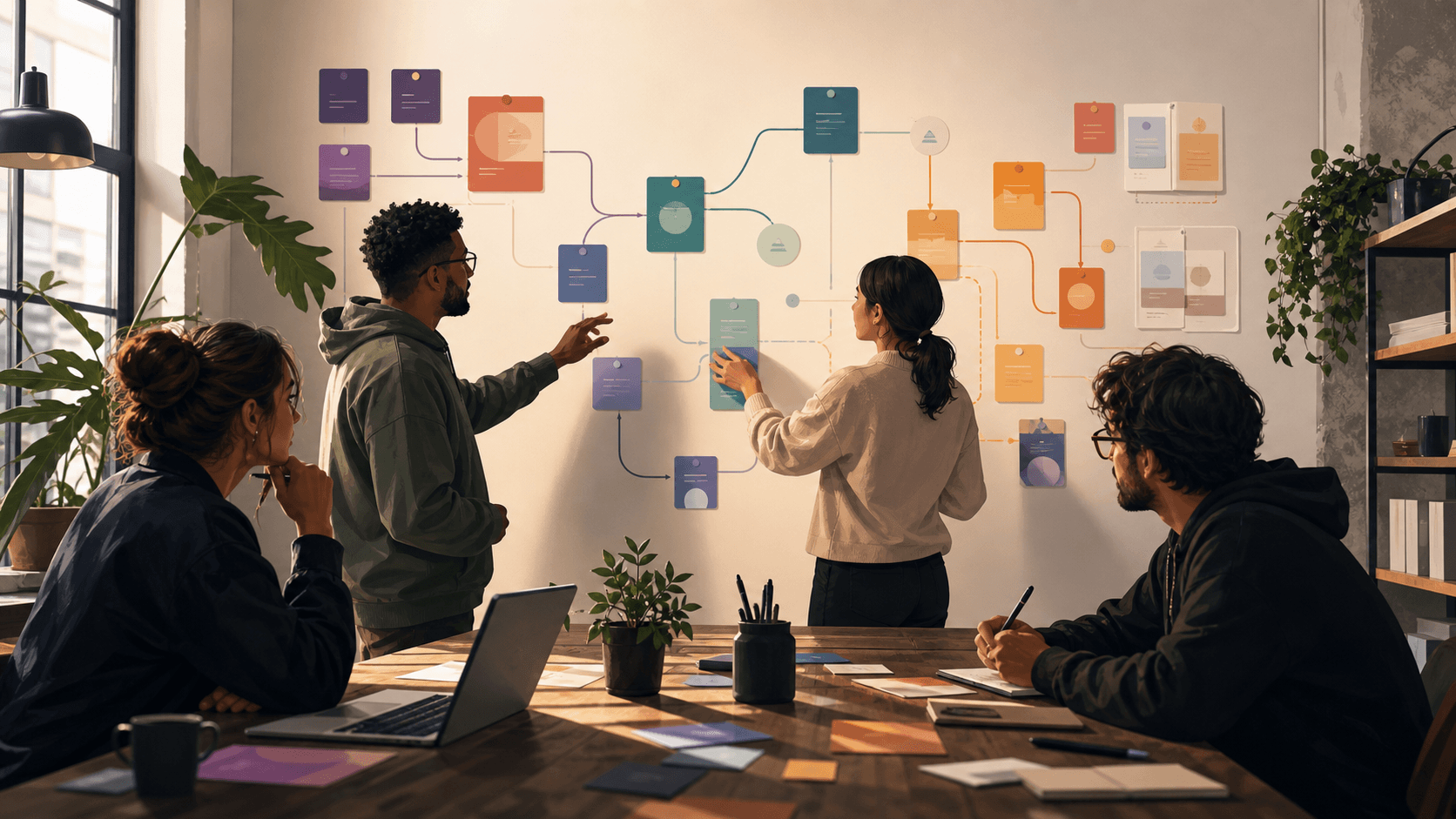
RaidGuild's recent work has a clear pattern: the Guild is moving from scattered experiments toward repeatable loops. Portal is becoming the place where sessions, recordings, posts, comments, signups, and follow-up artifacts can live. Prism is becoming the layer that turns those signals into useful memory and workflow output. Around that infrastructure, Raiders are shaping new services, cohort formats, public learning loops, and project surfaces.
The practical question underneath the week was simple: how do we make community work easier to find, easier to reuse, and easier to turn into the next useful action?
Field Notes is becoming a research loop
The clearest public-facing thread is the launch planning for Field Notes From The Edge, the fireside cohort focused on how builders, operators, and professionals are actually using AI and automation in real workflows.
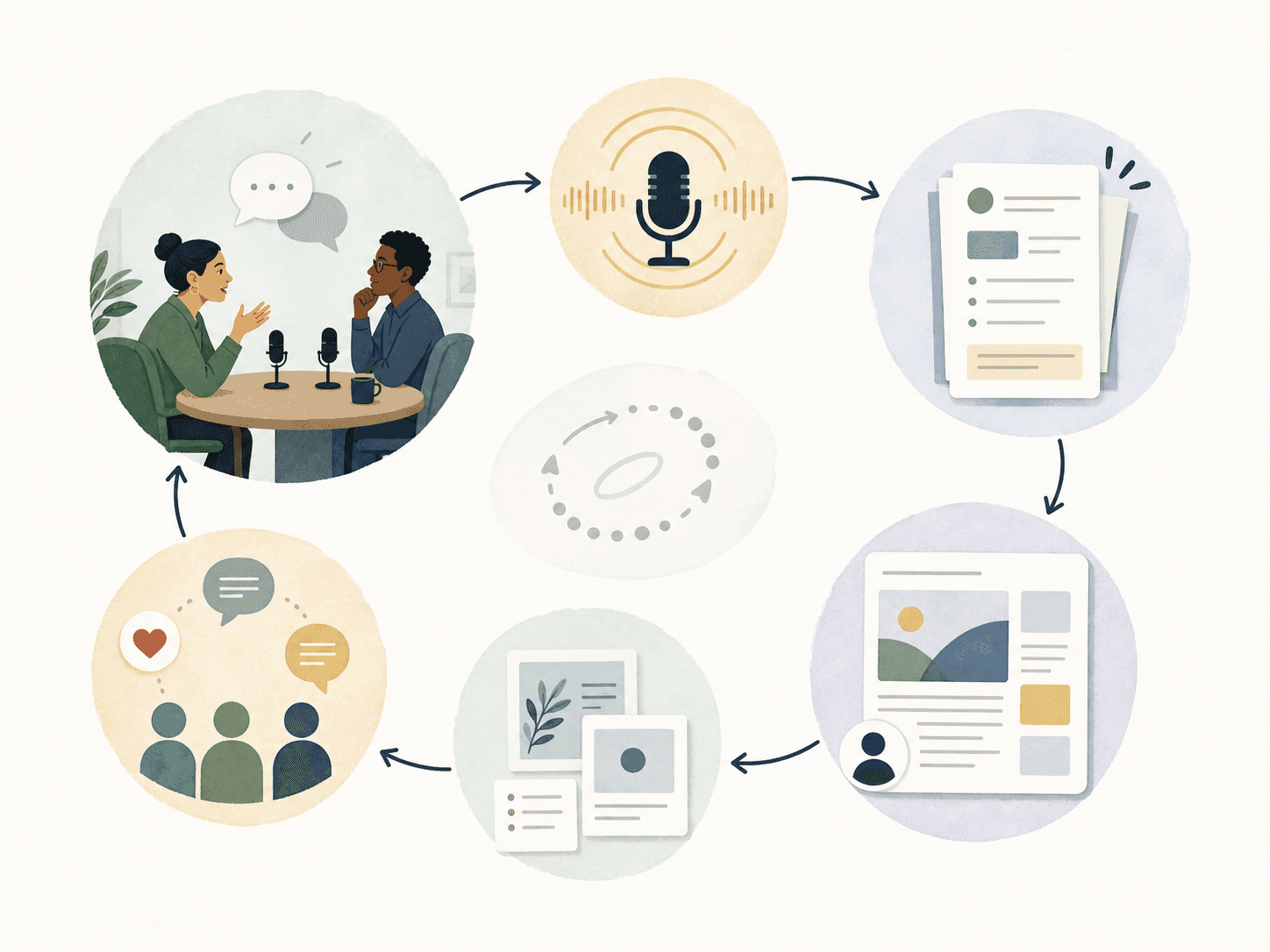
In the June 4 cohort planning session, the group sharpened the positioning away from a passive content series. The useful line was: "Not a speaker series. A working research loop." That framing matters. The point is not just to host conversations, but to record them, summarize them, turn them into Portal artifacts, and let those artifacts feed follow-up posts, outreach, services, and product understanding.
Another line captured the editorial center of gravity: "What are builders actually doing with AI once the demo ends and the workflow has to survive Monday?" That is a strong test for the whole campaign. It keeps the work grounded in real practice instead of generic AI commentary.
The group discussed guest scheduling, consent and recording language, launch posts, Portal follow-along calls to action, and possible email or social distribution. The immediate operational needs are plain: get guests scheduled, make the recording flow comfortable, avoid duplicate outreach, and give followers a focused place to keep up.
Portal is being used before it is overdefined
A recurring theme across the week was restraint. Portal is not being positioned as an instant replacement for every RaidGuild surface. The stronger direction is to prove it through a concrete use case first: sessions, recordings, summaries, comments, signups, and fireside content.
In the June 2 fireside cohort planning session, the group aligned around Portal as a focused cohort and session hub. The conversation named concrete goals for the month, including fireside sessions, Portal signups, public schedules, outreach guides, recording guides, host scripts, and content workflows that can turn each session into reusable material.
That is the right kind of pressure test. If Portal can make one high-context community loop easier to follow, it earns the right to hold more of the Guild's operating memory later.
The June 5 Portal activity snapshot also established a baseline for the CMS: 16 total users, 146 profiles, 19 posts, and 172 projects were recorded in the snapshot. The numbers matter less as vanity metrics and more as a starting line. The next useful question is whether fireside activity, session artifacts, and campaign content make Portal more active and easier to navigate.
Prism is becoming infrastructure, not just tooling
The June 4 Raider Roundtable framed Prism as both internal infrastructure and a potential service layer. Raiders discussed workflow documentation, community automation, AI-assisted operations, public artifacts, and the problem of organizational knowledge getting trapped across Discord, Telegram, GitHub, docs, and old links.
The discussion also surfaced a broader shift in visibility. Search, SEO, social content, and AI indexing are blending together. If people and models learn about RaidGuild from old external listings, stale pages, or scattered references, the Guild needs fresher public artifacts that explain what is happening now.
That is where Prism and Portal reinforce each other. Prism helps pull signal out of noisy coordination. Portal gives that signal a reviewable place to become posts, session pages, briefs, profiles, and project surfaces.
Service offerings are getting sharper
RaidGuild's AI-native operations offer strategy moved forward in a June 2 working session. The group discussed how to package services around operational intelligence, workflow automation, internal copilots, Refactory deployment, product acceleration, and forward-deployed AI engineering support.
One draft positioning line was strong enough to keep: "Position Raid Guild as a forward-deployed engineering partner helping organizations adapt operationally to the AI era." The offer work is not finished, but the direction is clearer: start with low-friction consultations or diagnostic sessions, learn from real client conversations, and route serious needs into scoped implementation work.
The useful product question is not only "what can RaidGuild build?" It is "what causes a client to take the next committed step?" The team discussed consultation funnels, package menus, benefit-driven offer cards, and using Portal as the campaign surface for educational content, profiles, package discovery, and lead capture.
That fits the same weekly pattern: turn scattered expertise into a loop that can be explained, entered, measured, and improved.
Demo Day showed the range of what is being built
The June 3 cohort demo day gave the week a broader shape. Raiders discussed the Portal MVP, Prism and Refactory workflows, onboarding automation, scheduled reporting tasks, Queen Raida guardrails, and the possibility of helping other organizations operate similar systems.
ECWireless also demoed the RaidGuild Forge direction, framing it around "autonomous worlds for real machines" and "where makerspace meets gaming." The Forge thread connects game worlds, physical hardware kits, autonomous-world design, and real-machine compatibility. It is early, but it adds a different kind of energy to the week: not just operations and content workflows, but a creative technical surface that can become a public project narrative.
The demo day also surfaced a useful outside-facing possibility. SquirrelSeer offered to help with documentation, outreach, and pitching Portal/Prism-style tooling to other organizations. That kind of contribution matters because infrastructure becomes more valuable when someone can explain it clearly enough for others to adopt.
The week in one sentence
RaidGuild is turning its community coordination into working loops: fireside conversations become artifacts, artifacts become Portal content, Portal content improves discovery, Prism keeps the memory connected, and service offerings turn the learning back into useful client work.
That is the progress worth tracking. Not one launch moment. A set of loops becoming real enough to use.
Have a project in mind?
Start a conversation with RaidGuild
Tell us what you are building and where the guild could help.
Make a general inquiry